Santero Ron · Casa Santiago LLC Adults 21+ Only · U.S. Market Only
SanteroRon · Casa Santiago LLC

Casa Santiago LLC · Rum

Santero
Ron

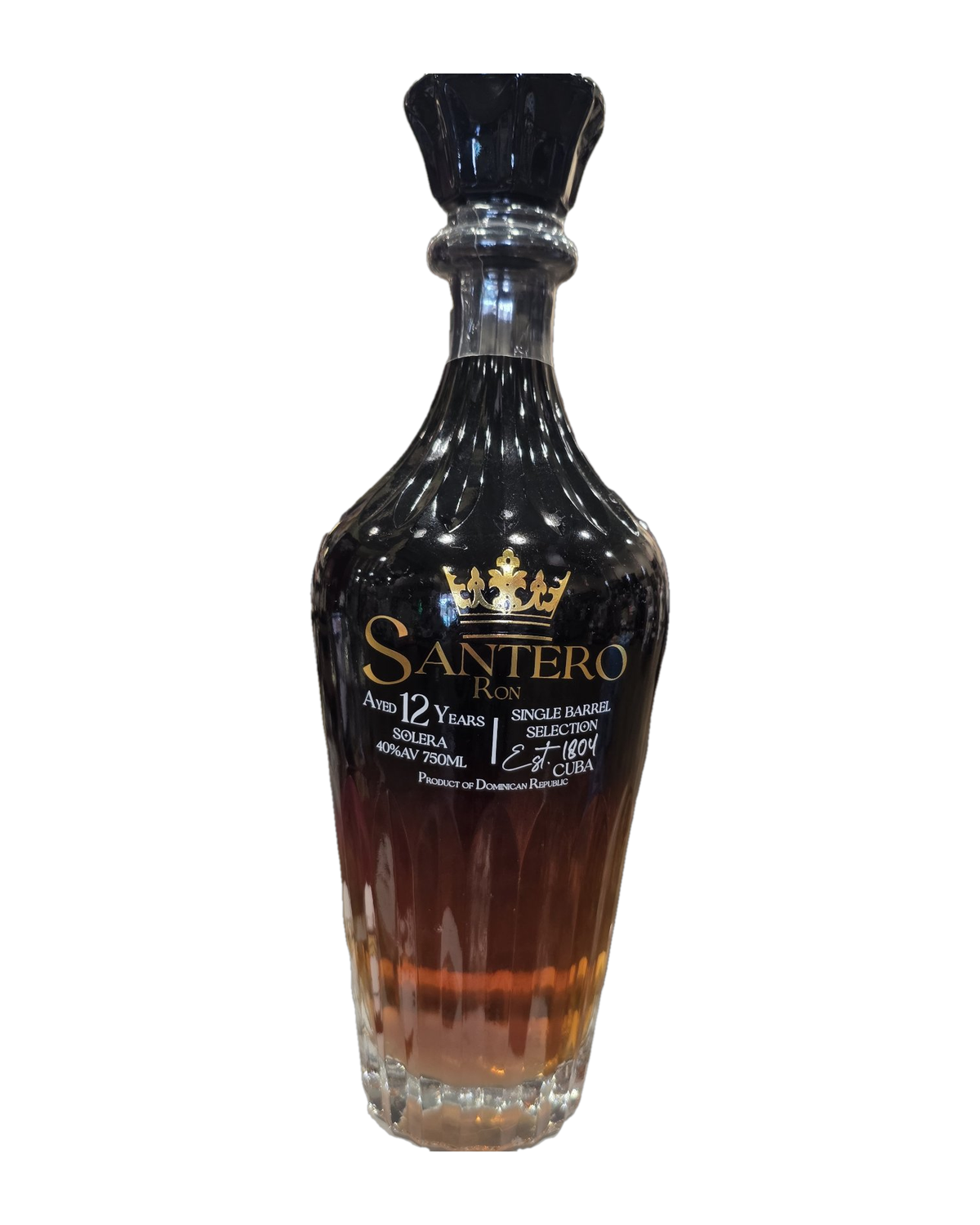
Cristalino, Spiced Rum & Single Barrel Selection

Three expressions in a crowned decanter. Product of the Dominican Republic. Full details to follow.

Santero Ron Single Barrel Selection bottle
  • ThreeExpressions
  • 40%ALC/VOL, every expression
  • 750 mLEvery expression
  • RumProduct of Dominican Republic

The Name

A name with a history.

Santero takes its name from Santería, the Afro-Cuban faith that grew in Cuba in the 19th century from the Yoruba religion carried across the Atlantic by enslaved West Africans.

What follows is that history, told in brief, and the values it carries.

West Africa

Yoruba · 19th Century

Across the Atlantic

The Yoruba peoples of West Africa, from the lands now Nigeria and Benin, carried a rich religion with them when they were enslaved and brought to Cuba in great numbers in the first decades of the 19th century.

In Cuba, that faith was kept alive in the cabildos de nación, mutual-aid societies where African traditions were preserved, and where the old religion took new shape.

In the cabildos, the Yoruba orishas came to be honored alongside Roman Catholic saints, and the blending of the two traditions took hold. Fewer than twenty orishas came to play a prominent role in the new Cuban faith, where hundreds had been worshipped across West Africa.

The faith that grew from that meeting is a Cuban tradition, evident by the end of the 19th century, and a living religion still — in Cuba, and in Cuban communities across Latin America and the United States.
The Saints

Cuba · The Way of the Saints

The way of the saints

Santería takes its name from the saints — santos. The Yoruba orishas came to be honored alongside Roman Catholic saints: Changó, orisha of thunder and lightning, is celebrated on the feast day of Saint Barbara. Devotees became known as santeros.

The tradition is also called Regla de Ocha, the Rule of the Orisha, and Lucumí, the name by which the Yoruba were known in Cuba.

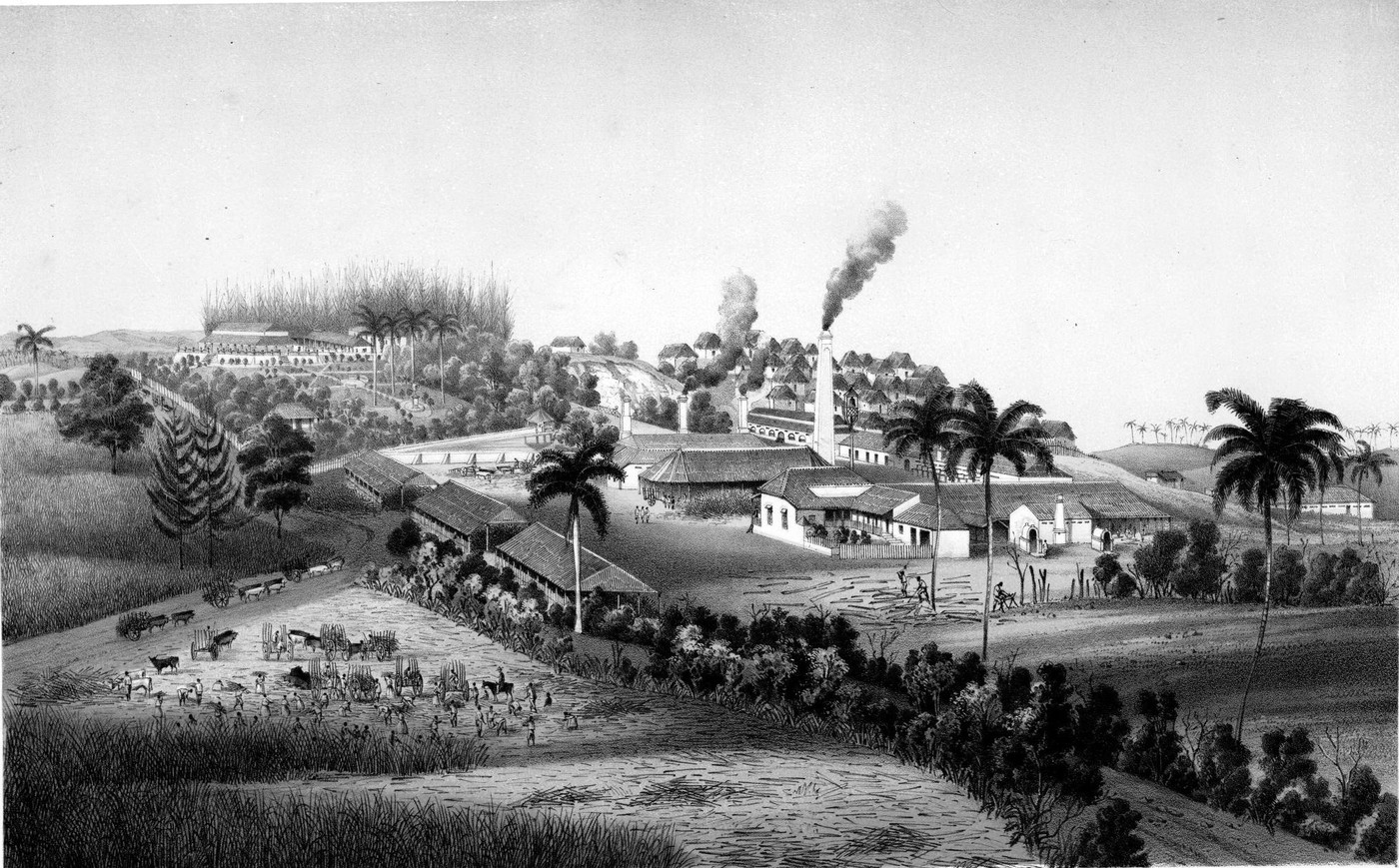
Cane rum has long been among the offerings presented to the orishas.

Black-and-white reproduction of a hand-colored lithograph from 1857: the Ingenio San José de la Angosta sugar mill in Cuba, with a smoking chimney, mill buildings, workers' quarters on the hill, and ox carts hauling cane in the fields below
Ingenio San José de la Angosta, Cuba — Hand-colored lithograph by Eduardo Laplante, from Los ingenios (Havana, 1857), shown here in black and white; the 1857 plates were issued hand-colored. The mill works, smoking chimney, workers’ quarters, and cane fields of a Cuban sugar ingenio. Text by Justo G. Cantero; printed by Luis Marquier. Public domain, via Wikimedia Commons.

From the Archive · Cuba · 1900–1906

The cane fields and the mills

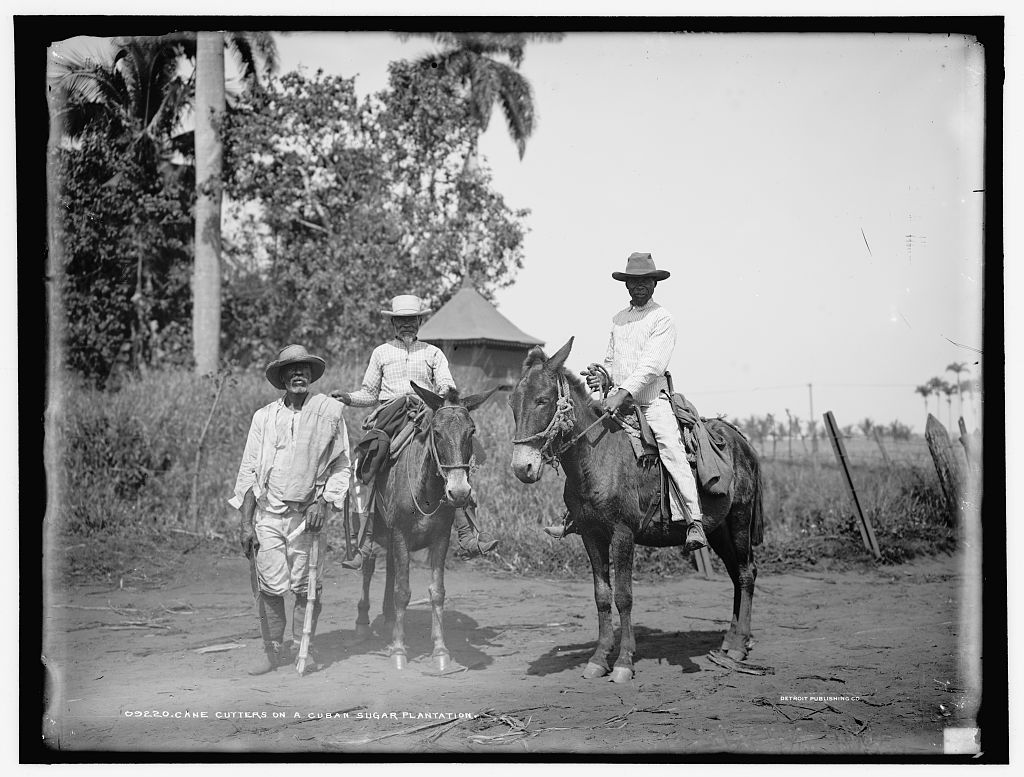
These photographs from the Library of Congress, made in Cuba between 1900 and 1906, show the cane fields and the sugar mills at the turn of the century: the cutting, the gathering, and the mill yard.

Black-and-white photograph, between 1900 and 1906: three cane workers on a dirt track on a Cuban sugar plantation, one standing with a cane knife and two mounted on mules, palm trees behind
Cane cutters on a Cuban sugar plantation — Between 1900 and 1906. Three workers, two mounted, on a plantation track. Detroit Publishing Co. photograph, Library of Congress.
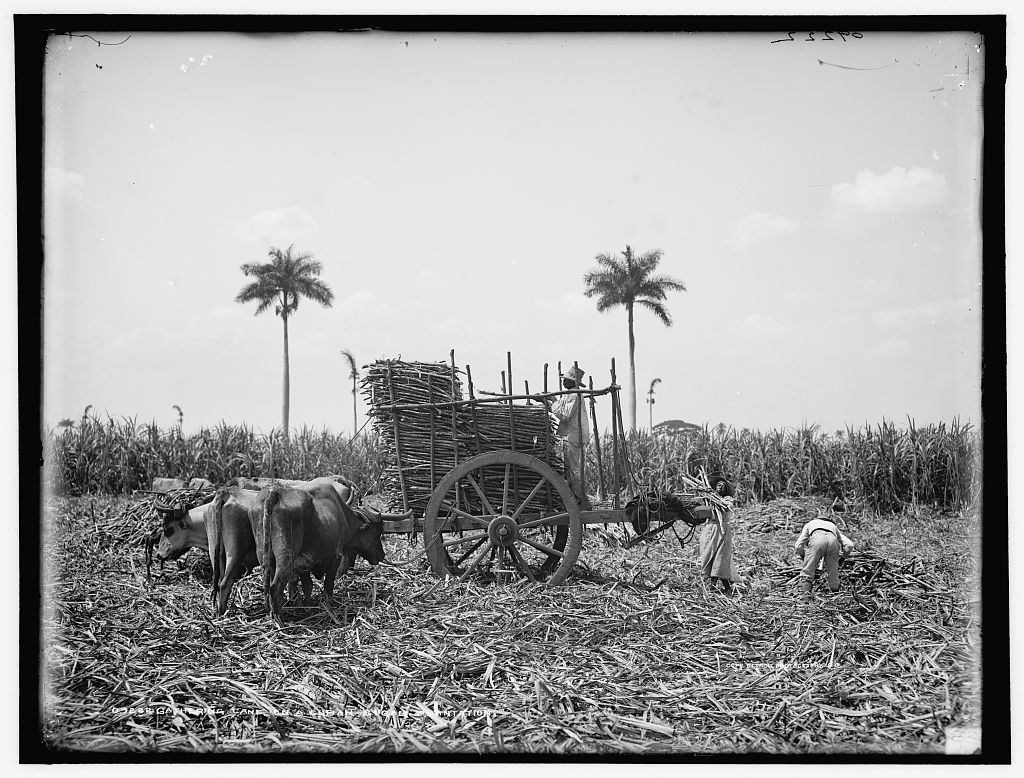
Black-and-white photograph, between 1900 and 1906: an ox-drawn cart piled high with cut sugar cane in a harvested Cuban field, workers loading cane, royal palms behind
Gathering cane on a Cuban sugar plantation — Between 1900 and 1906. An ox-drawn cart loaded with cut cane in a harvested field. Detroit Publishing Co. photograph, Library of Congress.
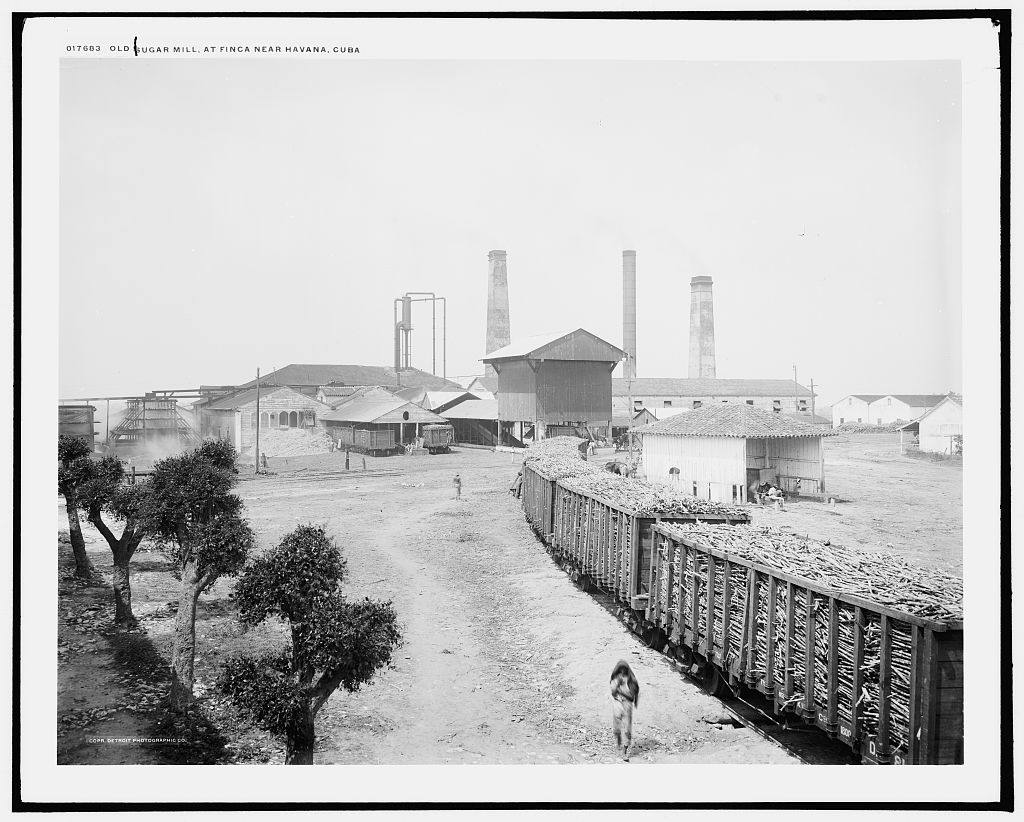
Black-and-white photograph, about 1904: a sugar mill complex near Havana, Cuba, with three smokestacks and rail cars loaded with cut cane in the mill yard
Old sugar mill at Finca near Havana, Cuba — About 1904. Cane cars at the mill yard; possibly the Central Toledo sugar mill. Detroit Publishing Co. photograph, Library of Congress.

Photographs: Library of Congress, Prints & Photographs Division, Detroit Publishing Company Collection. Rights advisory on each item: no known restrictions on publication. The photographs are shown unedited, as digitized from the original glass negatives.

Iwa Pele

The Values · Good Character

Good character

At the heart of the Yoruba tradition stands good character — iwa pele. The person who lives it is called omoluwabi: honest, respectful, and giving to the community.

The tradition holds fast to truth, to care for family and community, and to honoring those who came before. Santero Ron carries the name in that spirit of respect.

  • HonestyTruthfulness builds trust.
  • RespectAccorded to every person.
  • CommunityGiven to in deeds and in action.
  • AncestorsThose who came before, honored.

The Brand

Santero Ron, in the Casa Santiago portfolio.

Santero Ron is a rum brand in the Casa Santiago portfolio. The bottle artwork reads “Est. 1804 Cuba” alongside “Product of Dominican Republic”. The “Est. 1804 Cuba” line is the label’s own artwork wording; the rum is a product of the Dominican Republic. Three expressions, all 40% ALC/VOL. Full details to follow.

Product of Dominican Republic
Est. 1804 Cuba — as printed on the label

The Collection · Casa Santiago LLC · United States

Three expressions.

Santero Ron is offered in the United States only. Full details to follow.

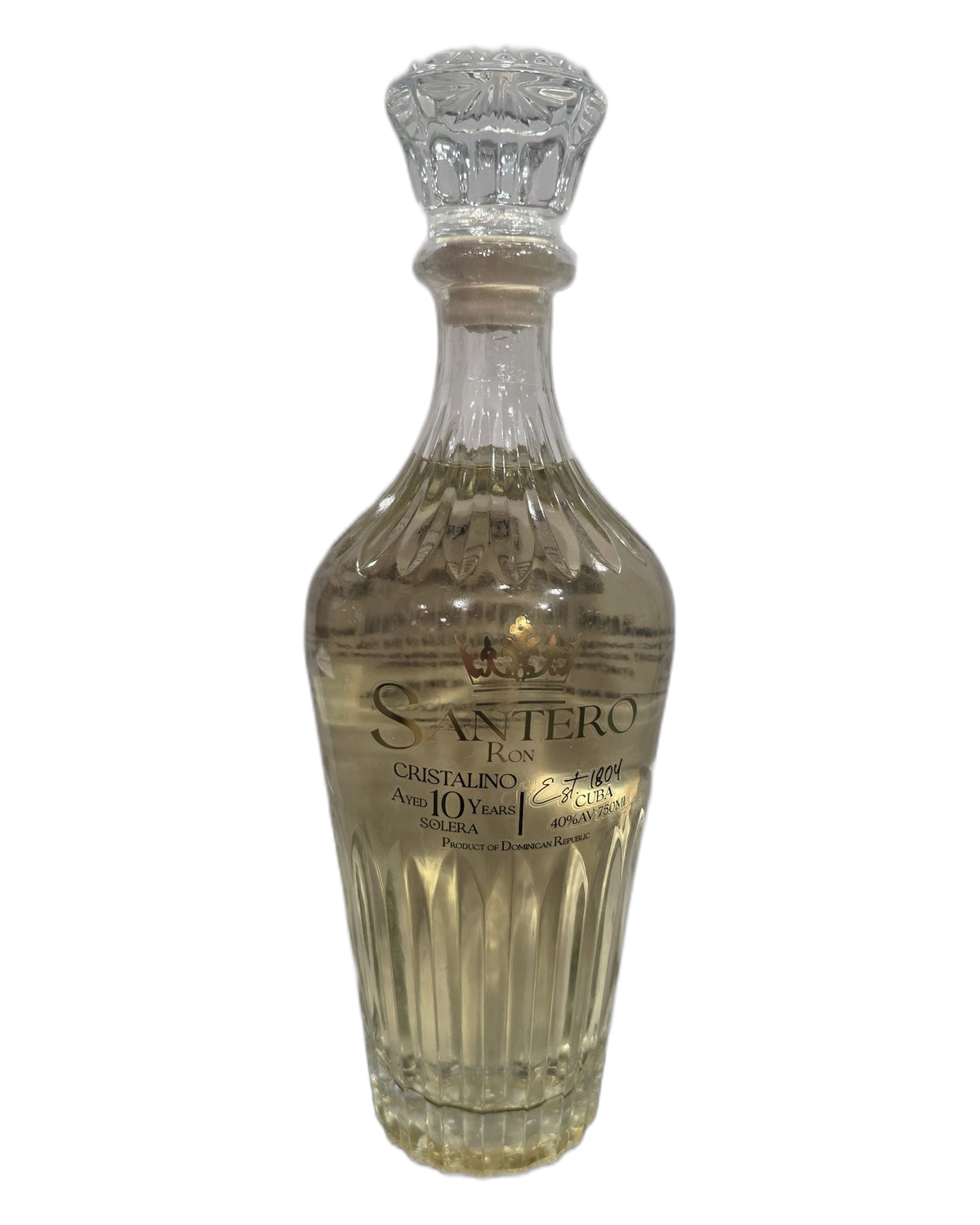
Santero Ron Cristalino bottle

N° 01

Cristalino

Aged 10 Years · Solera

Rum · 40% ALC/VOL · 750 mL

Full details to follow.

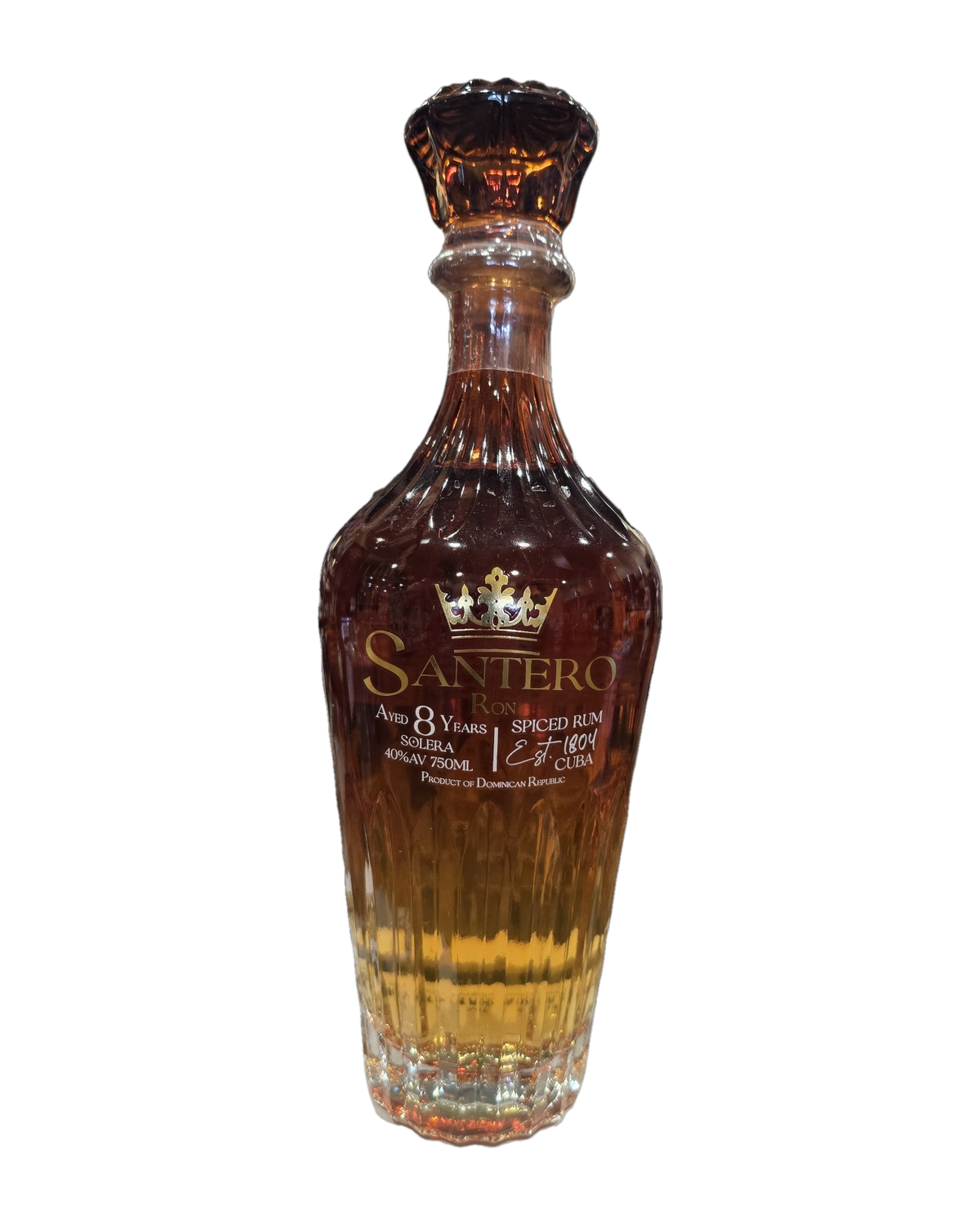
Santero Ron Spiced Rum bottle

N° 02

Spiced Rum

Aged 8 Years · Solera

Rum · 40% ALC/VOL · 750 mL

Full details to follow.

Santero Ron Single Barrel Selection bottle

N° 03

Single Barrel Selection

Aged 12 Years · Solera

Rum · 40% ALC/VOL · 750 mL

Full details to follow.

Expression names, age statements, and the “Est. 1804 Cuba” line appear as printed on the bottle artwork. Product of Dominican Republic.

21+ only. Please drink responsibly.